Why we ferment for 48 hours
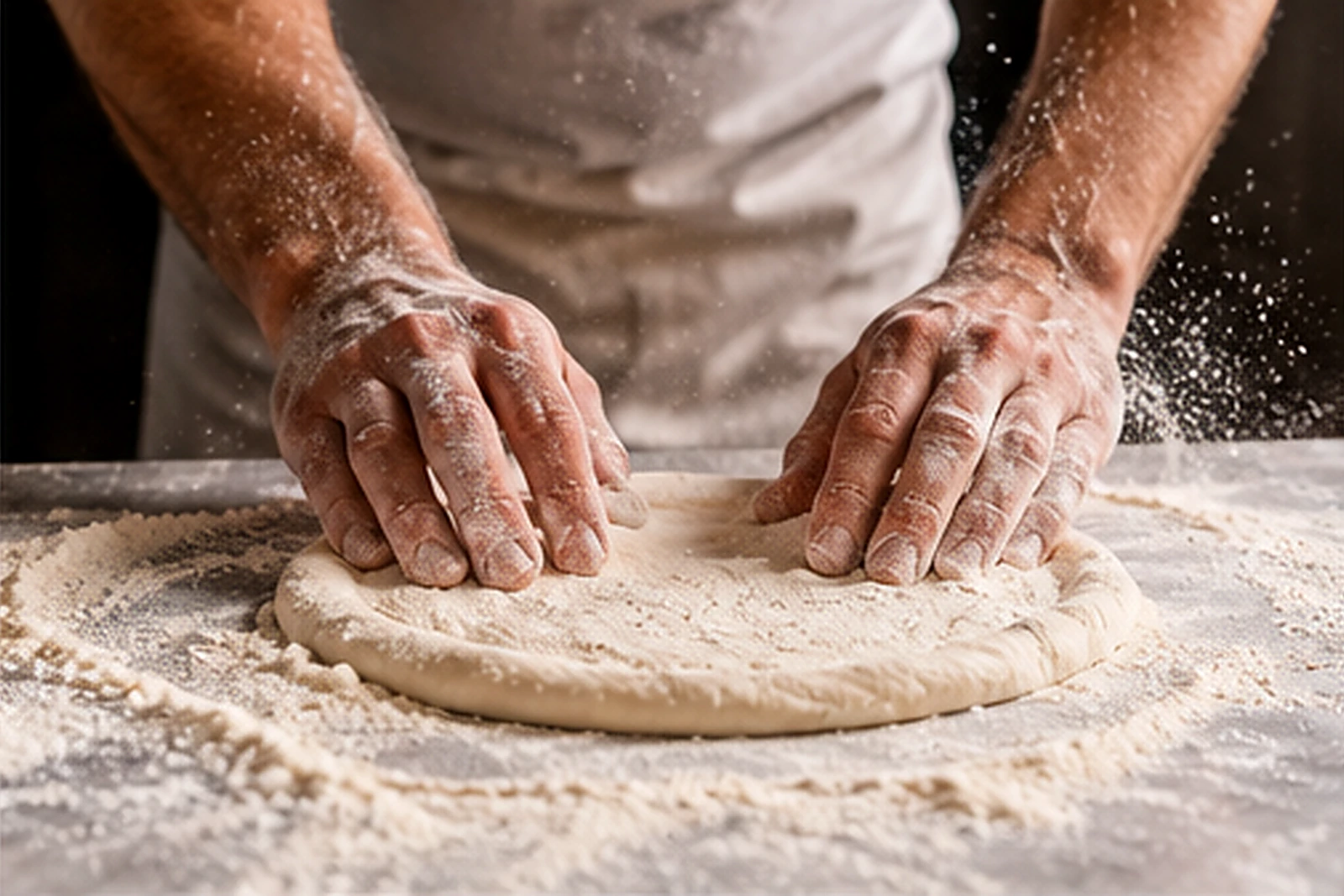
Ask ten pizzaioli how long a dough should prove and you'll get ten answers. Ours is forty-eight hours, and we arrived at it the slow way — by tasting.
What time does
Fermentation is really just controlled patience. Wild yeast and bacteria work through the flour's sugars, and as they do they build flavour, relax the gluten and make the finished crust easier to digest. Rush it and you get bread that's dense and flat-tasting. Give it two days at a cool temperature and the same flour, water and salt turn into something light, blistered and quietly complex.
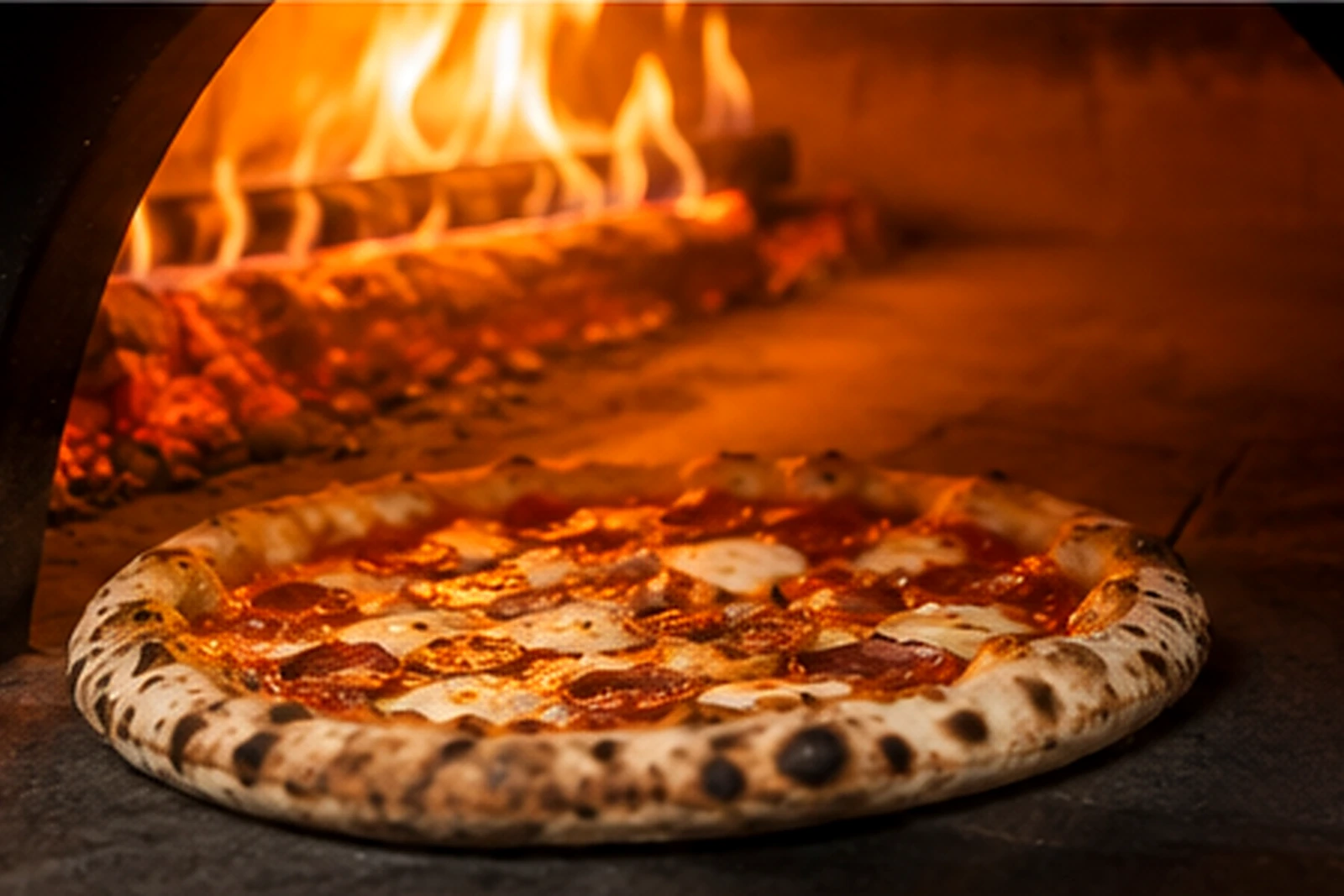
The long prove is also why our crust holds those dark leopard spots without turning bitter. A well-fermented dough browns faster and more evenly, so it can take the full heat of the oven in under ninety seconds.
Why we won't shortcut it
There are additives that fake the effect of time. We don't use them. A 48-hour dough costs us space, planning and a fridge full of trays — but it's the difference between a pizza you finish and one you remember. That trade feels worth making every single day.
So when a dough ball isn't ready, it waits. And so, happily, do we.